
Highways, Honesty, and the Perfect Test‑Drive Route

Today we focus on Highway Performance Test‑Drive Itineraries, building real‑world routes that expose how a vehicle truly accelerates, passes, tracks straight, saves fuel or energy, and keeps you comfortable at speed. Expect clear planning steps, practical field tips, and stories that illuminate why certain roads, times, and conditions matter. Bring a co‑driver, a curious mind, and a stopwatch. Share your favorite loop afterward so our community can learn from your experience and refine future journeys together.

Route Design That Reveals the Truth

A well‑designed loop creates repeatable conditions, showcases passing confidence, and avoids guesswork. Blend interstate stretches with steady speed limits, a modest climb, a crosswind‑prone overpass, and a predictable urban connector. Schedule windows with consistent traffic patterns, prioritize safe pull‑offs for notes, and include fuel or charging stops that do not skew results. We favor loops you can run both directions to average wind effects. Share your own route design principles in the comments so others can adapt them responsibly.

Balanced Loop Blueprint

Select fifty to eighty miles that mix limited‑access highway, divided rural segments, and one timed urban connector. Mark exact start and finish points, a quiet rest area for mid‑loop checks, and a safe turnaround with wide visibility. Early weekend mornings often deliver stable flow without aggressive traffic. Aim for minimal stoplights, grade variation for load, and a known construction calendar. Document everything on a simple map sheet you can print, annotate, and reuse across different vehicles.

Legal and Safety Priorities

Obey posted limits, yield to faster traffic, and never stage maneuvers that pressure other drivers. Use hazard triangles only when fully off the shoulder, wear a high‑visibility vest outside the car, and keep a handheld flashlight. Assign your co‑driver to navigation and logging so the driver stays focused. Avoid inclement weather beyond the test’s intent, and always brief an emergency plan. If conditions deteriorate, abort gracefully and reschedule; consistent, lawful testing builds credibility and protects everyone.

Repeatability and Controls

Consistency beats spectacle. Start with identical tire pressures set cold, a known fuel or state‑of‑charge level, and comparable payload. Log ambient temperature, wind direction, and elevation start/end markers. Run the loop twice, once each direction, then average. If traffic forces deviation, note it precisely and normalize where possible. Calibrate your speedometer using GPS, synchronize clocks, and label files carefully. These simple controls transform casual impressions into dependable observations others can validate or challenge constructively.

Passing Performance Metrics

Focus on rolling accelerations that mirror reality, like 50–70 mph and 30–50 mph. Identify safe, straight segments with wide sightlines and ample buffer. Begin from a defined speed, in a consistent gear or drive mode, then time to target velocity. Note grade, wind, and surface. For on‑ramp runs, pick a ramp with a repeatable merge marker. Respect traffic, abort if conditions change, and log results alongside subjective confidence to capture both numbers and feel.

Stability and NVH Tracking

Stability shows up in calm hands and quiet corrections. Include a crosswind‑exposed bridge and a coarse‑pavement section. Record decibels at 65, 75, and 85 mph using the same phone placement, HVAC setting, and road lane. Add brief lane‑change drills where legal, noting steering weight, return‑to‑center behavior, and any nervousness over expansion joints. Subjective notes—“relaxed,” “busy,” or “reassuringly planted”—catalog the emotional footprint that numbers alone can’t capture but long commutes always reveal.

Efficiency and Range Accounting

Track fuel burn or energy consumption with start/end receipts or verified kWh logs. Note altitude gain, ambient temperature, and average speed to compare runs fairly. For EVs, precondition before departure, include one controlled DC fast‑charge midway if relevant, and document peak/average rates. For hybrids, record engine‑on percentages and regeneration opportunities. Efficiency swings with wind, traffic, and weather, so annotate context meticulously. This turns one loop into a dataset that informs real‑life trip planning.

Maneuvers That Matter at Speed
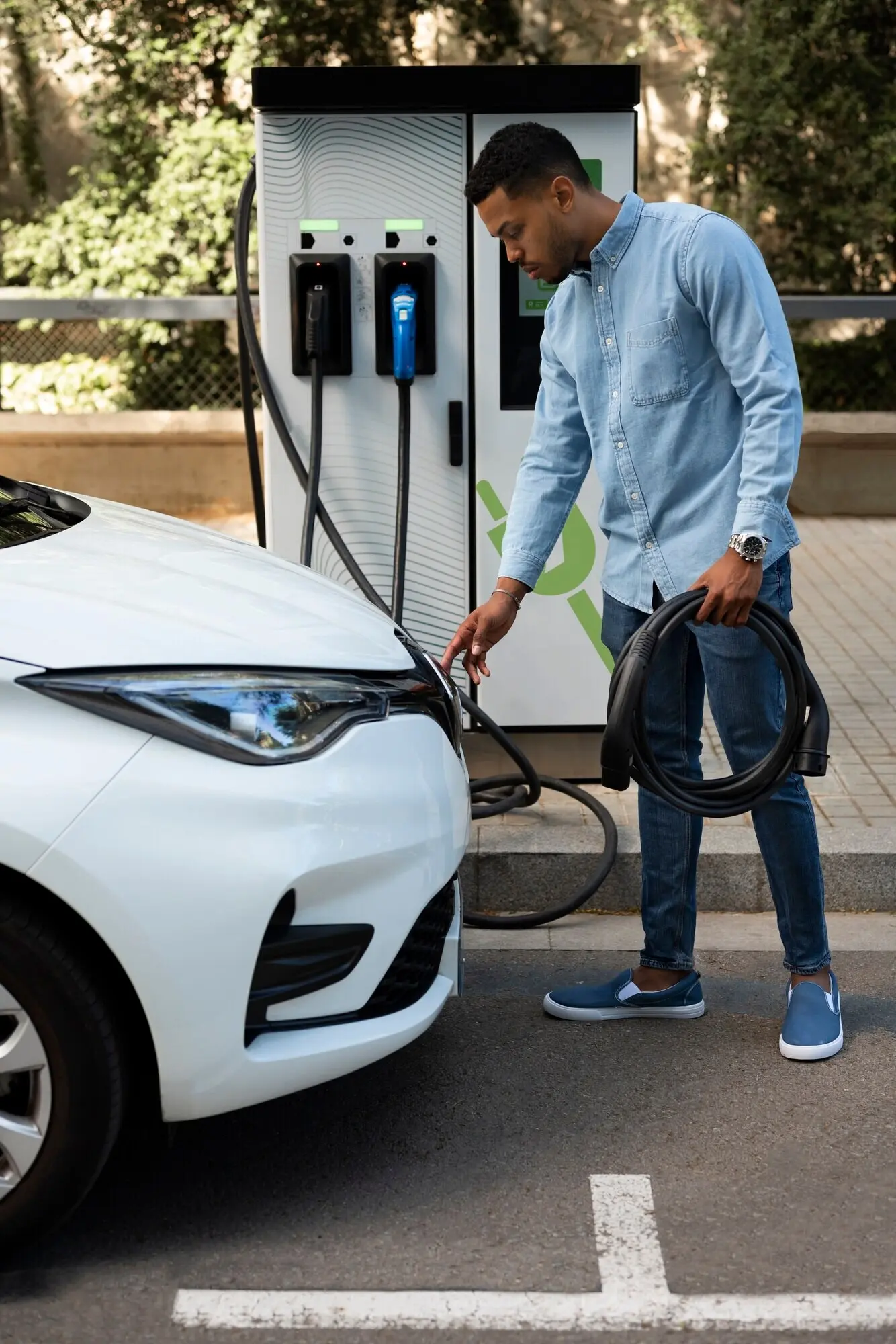
Not all tests need cones, but every test needs intention. Choose maneuvers that illuminate everyday confidence: decisive merges, measured lane changes, and controlled braking on long grades. Practice protocols before timing anything. Keep escape space, avoid provoking other drivers, and rely on a co‑driver’s clear calls. Capture how transmissions shift, how EVs sustain power, and how chassis settle after inputs. These details shape whether a car feels trustworthy after two hours of humming interstate.

Harnessing Driver‑Assistance on Real Highways

Assistance features reduce workload—until they don’t. Evaluate adaptive cruise, lane centering, and automated lane changes on predictable stretches with good lane paint. Observe how systems handle merges, short‑duration cut‑ins, construction zones, and sharp sun angles. Document camera occlusion in rain or mist, and whether map data appears to influence behavior. Keep hands ready, eyes up, and responsibility with the human driver. These notes help distinguish polished helpers from features that require constant vigilance and correction.

Comfort, Fatigue, and the Long Haul

Two hours at a steady clip exposes realities a city loop never will. Seats either fade or support; wind noise either whispers or nags; controls either help or distract. Assess lumbar range, steering wheel reach, pedal alignment, and climate consistency across zones. Rate infotainment clarity at a glance and voice command accuracy at speed. Log small irritations such as reflective trim or jittery cup‑holder rattles. Invite readers to share their comfort hacks and restorative stop strategies.

EV and Hybrid Considerations at Interstate Pace
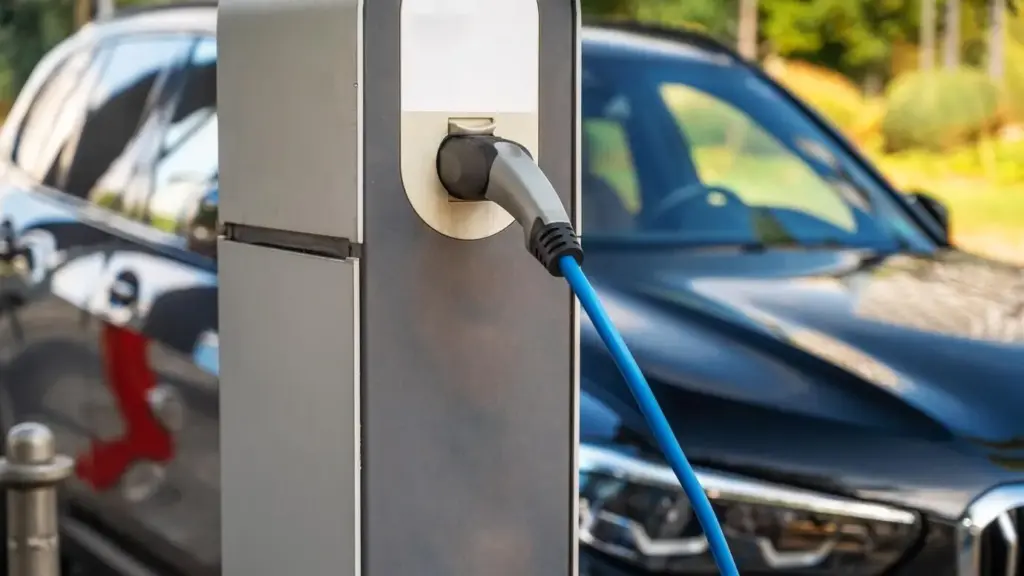
Highway speed stresses energy systems differently than city traffic. Plan conservative charging windows, test preconditioning routines, and watch how thermal management affects sustained power on grades. Compare real‑world consumption at 65 versus 75 mph, accounting for wind and elevation. For hybrids, note engine cycling under gentle cruise and how battery assistance tapers. Evaluate charging site reliability, pull‑through availability for trailers, and restroom proximity that keeps stops efficient. Share your charging map and backup options for traveler confidence.
Noxivatuvomi
Privacy Overview

This website uses cookies so that we can provide you with the best user experience possible. Cookie information is stored in your browser and performs functions such as recognising you when you return to our website and helping our team to understand which sections of the website you find most interesting and useful.